
In Chicago’s Englewood neighborhood, honeybees are turning community-garden wildflowers into honey with a taste that’s unmistakably local. It’s the same idea that drives us at Fly Honey Farms: when neighbors make room for bees, food, flowers, and community all grow together. Press play to see how one city beekeeper is making it happen.
Some of New York’s busiest bees live far above the sidewalk, on the rooftops of the city’s most iconic buildings. This Localish short follows beekeeper Andrew Coté as he tends hives high over the skyline, a reminder that every ledge, roof, and patch of green can become pollinator habitat and a source of hyper-local honey. Press play and see how the city’s bees get to work.
Fall is when a beekeeper’s work shapes the whole winter ahead: feeding, treating, and insulating so the colony can make it to spring. It’s quiet, careful work, and it’s how small urban apiaries like ours keep hives alive through the cold months. Watch a few simple ways to get your hives ready.
Not every pollinator habitat starts on a rooftop — sometimes it starts with tearing out a patch of grass. In this week’s video, neighbors turned their yards into a connected native-plant corridor, building a pollinator pathway one lawn at a time. Take a look at what’s growing at ground level.
We’re not the only ones turning New York City skylines into bee habitat. In this week’s video, a fellow Manhattan beekeeper shows how a few rooftop hives can turn concrete into a haven for pollinators — and a source of hyper-local honey right in our backyard. Hit play to see his story.
Fly Honey Farms isn’t the only crew turning backyards and rooftops into bee habitat. Up in Winnipeg, Beeproject Apiaries is doing the same work block by block, moving hives from home gardens to the roofs of local businesses to grow the city’s pollinator population and its local food supply. Different city, same mission — take a look at how they’re building it.
No backyard? No problem. A few miles from our own hives, Brooklyn beekeeper Charles proves that with a little grit and the right rooftop, urban bees can thrive above the concrete. Hit play below to see how he did it.
There could be hundreds of thousands of bees on a rooftop a few blocks from you right now, and you’d never know it. This one follows a beekeeper tending hives across Queens rooftops and community gardens — the same quiet, unglamorous work that keeps our own hives (and yours) going all season. Take six minutes and see what urban beekeeping actually looks like up close.
Every jar of FHF honey starts with this: a bee stepping out of its cell for the first time. This National Geographic time-lapse gets closer to that moment than most of us ever will — a good reminder of the quiet work happening in every rooftop and backyard hive across the city, including ours. Watch below.
Six floors above downtown Seattle, a hotel garden hums with bees who have no idea they’re rooftop royalty — proof that urban beekeeping isn’t a niche experiment, it’s a whole ecosystem hiding in plain sight. It’s the same story we live out on our own NYC rooftops: bees don’t need acres, they need a chance. Watch how one city block became a home for pollinators.
Detroit’s urban beekeepers are turning empty city blocks into thriving apiaries — proof that a reclaimed lot and a few hives can rebuild a neighborhood. It’s the same belief driving what we do in the 914/845, just a different skyline. Give it a watch.
We’re not the only ones working small spaces into something bigger. This short film follows an urban beekeeper tending hives high above Manhattan — same story we’re telling in the 914/845, just a different skyline. Give it a watch.
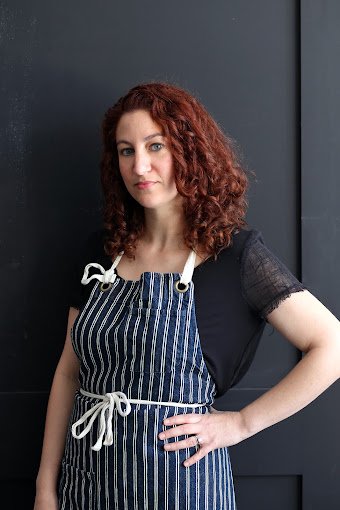
As we’ve kicked off another season of farmer’s markets. We’ve started up our curated collaboration series… this time featuring the local chef celeb Kate Sonders Solomon. We participated at the Opening Day celebrations of the TaSH market for their 10 year anniversary!
Kate prepared a “Honey bee vinaigrette” which amazed our customers and other market participants. Although we were shocked to have been her FIRST farmer’s market collab, we sincerely hope she’ll come back and kick it with us again very soon.
2024 - The Collab kids are BACK.

Real talk - this is one we get often. We’ve had customer’s far and wide debate it… all that said - we’re told that the info on the website posted below is a REALLY good source for information. We leave it to you to make the decision but we’re happy to bring you some information! Click the image below!

Like… why fam?